Showing posts with label Food blog events. Show all posts

Sunday, March 11, 2007

The Dairy

“Right near your house there is a Greek woman who makes haloumi. Just round that corner and look for the black gate. Tell her I sent you.”

“The wife of my Japanese mechanic sells the tofu she makes at home – let me know if you want to buy a block.”

An endearing feature of life in Harare is the vast number of unmarked, unpublicized businesses that you hear about by word of mouth. Restaurants that only open for small groups on pre-arranged days; immigrants and expatriates that sell homemade, traditional foods, straight from their kitchens; talented artists who market sculptures from hidden backyard galleries framed by rows of maize.

One day, more than a year ago, two friends told me they knew a couple who drove twenty minutes outside of town to buy milk and cheese from a dairy farm, that the farm was impossible to find unless you followed someone, AND that it was only open for one hour in the morning and one hour in the afternoon. The couple with the insider knowledge was making a trip later in the day.

Did we want to go? Of course we did.

And so Mark and I became acquainted with what we now simply call “The Dairy.” The Dairy is run by an unintentionally charismatic mother-and-son team (let’s call them Shirley and Frank), and the reason it is open for only two hours a day is that these are the hours when the cows are milked. The milk travels from udder to pail to your container. It is still warm. And rich. And creamy. Like a concentrated version of store-bought milk.

In addition to milk, The Dairy also sells goat and cow feta, a dense and creamy soft goat cheese, and a cottage cheese speckled with chives or fresh thyme. This cottage cheese is what I would call cream cheese, although Frank says I am wrong. Cottage versus cream is not the only linguistic debate I have with Frank, who also contests my pronunciation of gouda. I say goo-da, he says gow-da. “Is the goo-da ready yet?” I ask. “I don’t make goo-da, I make gow-da,” Frank replies.

Speaking of The Dairy’s gouda…oh, how wonderful it is. Shaped like an oversized hockey puck, wrapped in wax and, inside, smooth with just a tinge of sharpness that unravels as it hits your tongue. The gouda is rarely available and, when in stock, is stored out of sight. You need to know to ask for it. To secure a wheel, you also must demonstrate respect and love for cheese. Frank tells the story of a woman who wanted to buy two wheels of gouda, one to eat now and the other to freeze for future consumption. He refused to sell her any cheese because she had considered desecrating the cheese by freezing it.

Today the gouda was tantalizingly close to me – Frank retrieved two wheels from his hiding place just so we could take a photo. He said the cheese tastes good now, but is too mild – it would be ready for sale in two weeks. I had an idea – couldn’t I just buy a wheel today and keep it in my fridge for two weeks? No, Frank said, he knew how much I liked the cheese and didn’t trust me – I would surely eat it early. The Dairy drives a tough bargain.

A few months ago, we heard The Dairy might be taken over as a result of the government’s ongoing land reform program. I can’t say we were shocked, but we were immensely saddened – sad for the family, the farm workers, the animals, and, quite selfishly, ourselves. No more calming walk past the animal stalls with the farm dogs scrambling around our feet. No more debates over goo-da and gow-da. And the thought of having to buy the soggy, chewy, greasy supermarket products that pass as “cheese” was just unbearable. Luckily, The Dairy survived. We appreciate it even more.

This post is an entry in Food Destinations #5: Where Everybody Knows Your Name, hosted by From Our Kitchen. Food Destinations is a food blog event established by I Was Really Just Very Hungry.

Saturday, January 27, 2007

Well-herbed Couscous from a Well-loved Cookbook

Like a child’s blanket, hugged until threadbare, my copy of Madhur Jaffrey’s World Vegetarian has been loved too, too much. Its spine is broken, its pages are oil-spattered, and its recipes accompanied by barely legible scribbles and flurries of exclamation points.

I was first introduced to Jaffrey by my friends Matt and Steph, hooked by a recipe for salmon curry. I copied a few pages from their edition of From Curries to Kebabs: Recipes from the Indian Spice Trail, and so began 2004, the Year of Curry. For me, Indian food presented a whole new way of cooking. The recipes made me breathless with their instructions to add ingredients mere seconds after one another, my spice rack became a spice cabinet, and my tolerance for hot chilies went through the roof. Another new discovery was curry leaves, an optional ingredient in what seemed like half of Spice Trail’s dishes. Serendipitously, my now-husband had just begun gardening for an elderly Indian woman with an out-of-control curry plant. He would return home, ever-chivalrous, with curry leaf bouquets.

I acquired World Vegetarian in 2005 and have been cooking my way through it ever since, adopting as dinner staples the Bengali squash curry, Italian chickpea flour pizzas and curried tomato soup. Over these two years, an ever-more-tattered green post-it has marked a recipe for Speckled Green Couscous with Red Potato Sauce. This recipe, a Tunisian dish, attracted my attention with its use of four fresh herbs – cilantro, dill, parsley and arugula – but it remained untried simply because I could never accumulate all of the ingredients at one time. My cilantro plant would be flourishing just when my dill plant had died. The supermarket would have arugula, but scallions were nowhere to be found, or perhaps the tomato paste was out of stock. Today, however, my stars aligned. In fact, even though I couldn’t find fresh dill at the store, I did discover and purchase a dill plant at the nursery (I hope it didn’t mind quickly losing half its leaves), and I compensated for my remaining dill shortfall with some feathery fennel tips, which, according to Jaffrey, are more traditional in Tunisia anyway.

Jaffrey recommends mixing a ¼ cup of the red potato sauce with cayenne and serving it as an accompaniment to the dish in place of harissa, a hot, North African spice paste. My sauce did not produce enough liquid to spare, however, so next time I’ll prepare some of my own harissa beforehand. I also think I’ll double the sauce portion of recipe, as it had a satisfying richness that well-compliments the herb-lightened fluffiness of the couscous. I wanted more! Next time…if only my new dill plant will not die, and the stars that oversee ingredient availability once again align….

Speckled Green Couscous with Red Potato Sauce
Slightly adapted from Madhur Jaffrey’s World Vegetarian
Serves 4

Potato Sauce
3 tablespoons / 45 milliliters olive oil
1 medium onion, chopped
5 cloves garlic, crushed
2 tablespoons / 30 milliliters tomato paste
1 teaspoon / 5 milliliters ground cumin
1 teaspoon / 5 milliliters ground coriander
1 teaspoon / 5 milliliters paprika
¼ teaspoon ground cayenne
12 ounces / 340 grams boiling potatoes (about 5 medium), peeled and cut into 1 x ½ x ½-inch / 2½ x 1¼ x 1¼-centimeter pieces
1½ teaspoons / 7½ milliliters salt, or to taste

Couscous
1½ teaspoons / 7½ milliliters salt
1 tablespoon / 15 milliliters olive oil
½ cup / 125 milliliters parsley, finely chopped
4 tablespoons / 60 milliliters cilantro (a.k.a. coriander), finely chopped
3 tablespoons / 45 milliliters feathery fennel tips, finely chopped
1 tablespoon / 15 milliliters fresh dill, finely chopped
4 scallions, green parts only, finely sliced
½ cup / 125 milliliters arugula (a.k.a. rocket), finely chopped
2 cups instant couscous

To make the potato sauce, put the oil in a medium saucepan and set over medium-high heat. When the oil is hot, add the onion and fry it for a minute. Add the garlic and cook for 30 seconds. Next, add the tomato paste, and stir it for a minute. Add the ground cumin, ground coriander, paprika and cayenne, and stir once more. Put in 4 cups of water, the potatoes and the salt. Stir and bring to a boil. Cover, reduce the heat to a rapid simmer and cook for 30 minutes, or until the potatoes are tender. Adjust the salt, if necessary.

To make the couscous, bring 2½ cups of water to a boil in a medium saucepan. Add the salt, oil, parsley, cilantro, fennel tips, dill, scallions and arugula. Cover, turn the heat down to low, and simmer gently for 10 minutes. Add the couscous, stir and cover. Remove the pan from the heat and let it sit in a warm place for 5 minutes. Uncover, and fluff thoroughly with a fork.

Serve the couscous immediately, topped with the red potato sauce.

This post is an entry in Weekend Herb Blogging, a food blog event founded by Kalyn’s Kitchen and hosted, this week, by Tomato.

Monday, January 15, 2007

African Peanut Stew, Organized

I used to be organized. I really was.

Every Saturday morning I would sit cross-legged on the sofa, coffee on the side table, cookbooks piled beside me, scrap paper on my lap and pen in hand. From this happy perch I would flip through my cookbooks, while writing, scratching out, tweaking and, ultimately, jotting down exactly what meals I would cook the next week and precisely which ingredients I required. Mark and I would then collect our shopping bags and head off for Brisbane’s Green Flea Market.

Sure, I occasionally varied from my set schedule. Spontaneously inviting friends over might require a quick ingredient top-up at the Vietnamese grocery downstairs. Or, while trudging between the ferry stop and our flat after a late day at school, the oompah music and sidewalk-table conviviality of Lefkas Greek Taverna (and the adjacent bottle shop) might draw me in. Passing that siren call, the cocoanut-curry smells of Thai Dream would sometimes entice me to walk just a few steps past my stairs for takeaway. And, even if I made it safely to the apartment, laziness could always trump my menu plan and encourage me to boil the spinach and cheese ravioli made across town by Italians and sold at the Greek store down the street, which was always fabulous with an easily-concocted sauce of good-quality tomato paste, toasted pinenuts, parsley, basil, parmesan, and olive oil.

But, usually, I stuck to my plan. Ah, those were the days.

Now, I live in Zimbabwe and my shopping and my cooking have no rhyme, reason or semblance of organization. When we first arrived, I tried, fruitlessly, to make a comprehensive weekly shopping list. Inevitably, I would tear it up in frustration after our trip to a third grocery store. Overall, I must say, the grocery stores here have many, many items. But, they have no specialty ingredients (oh, how my heart pangs when I see stunning recipes that hinge on mascarpone cheese) and their stock is very unpredictable. The minute you NEED an eggplant and only an eggplant, it will be nowhere to found. Out of flour? There is sure to be a shortage. Desperate for milk? The long-life milk has disappeared from the shelves and the fresh milk is spoiled. Vital kitchen implements often meet a similar fate: I once forced my husband on a futile, city-wide search for a bundt pan.

Eventually, I developed a new menu-planning scheme. I go to the stores with the best fruit and veg, buy whatever looks fresh and beautiful, and figure out what to do with my cornucopia when I get home. The result? I love recipes that can adapt to the whims of my fridge’s most recent arrivals.

And, so, I love African Peanut Stew. You could probably throw any vegetable in here and it would taste just fine. Eggplant, corn, green beans, squash, peas, tomatoes – bring it on. Even tofu would be a welcome addition. I made this recipe last night with what I had in my fridge. This included some dried shrimp that a friend brought us back all the way from Brazil. (Shhh, don’t let Customs know.) Yum. I highly recommend the pineapple if you have it, the chilies add a vital bite, and, of course, the peanut butter is a must-have. Otherwise, may your crisper dictate your dinner.

African Peanut Stew
Serves 4

2 tablespoons vegetable oil
1 medium onion, chopped
1 large leek, white part only, well-cleaned and thinly sliced
2 garlic cloves, minced
1 teaspoon fresh ginger, grated
2 teaspoons ground cumin
2 teaspoons gro
und coriander
2 medium sweet potatoes, diced
1 carrot, diced
2 green chilies, deseeded (if you wish) and minced
1½ teaspoons salt
2 cups vegetable broth
1 medium pineapple, peeled, cored and cut in
to chunks
1 green pepper, diced
¼ cup dried shrimp/prawns (optional)
½ cup smooth, natural peanut butter
½ cup crushed peanuts, toasted

Heat the oil in a large saucepan over medium heat. Add the onion, leek, garlic and ginger and cook for five minutes. Stir in the ground cumin and ground coriander and cook for one minute. Add the sweet potatoes, carrot and chilies and cook, stirring occasionally, for another 5 minutes.

Add the salt, vegetable broth, pineapple, green pepper and optional dried shrimp. Bring the stew to a boil, then cover and reduce to a simmer. Cook for 8-10 minutes, or until the sweet potato and carrot are soft. Mix in the peanut butter and cook for a final five minutes. If you want a thinner or thicker stew, you can add more peanut butter or, alternatively, more broth.

Serve the stew hot, with the toasted peanuts either sprinkled on top or stirred through. Fresh coriander/cilantro also makes an excellent garnish, if you have it.

This post in an entry in the inaugural Waiter, There’s Something in My…, a monthly food blog event organized by Cook Sister!, Passionate Cook and Spittoon Extra. Janaury's theme is stews.

Saturday, December 23, 2006

Stuffed Squash, with Ornaments

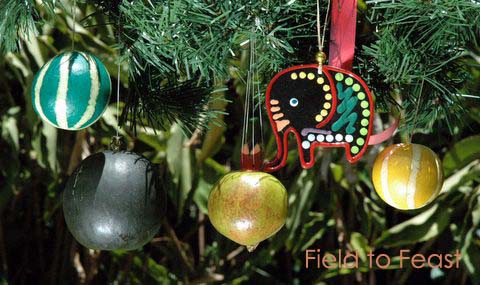
Perhaps I can blame the seasonal cocktail of excess sugar consumption, prolonged exposure to Christmas music and visions of days off work dancing in my head for inducing my recent streak of peculiar thoughts. Like this one, which came to me upon spotting some gem squash at the grocery store – “My, these look like Christmas ornaments. I should cook them for the holidays.” It was quickly followed by this idea, hatched while pulling into the driveway: “The pomegranates growing on our tree look like ornaments, too! I should concoct a holiday dish combining both “ornaments” – gem squash and pomegranates.

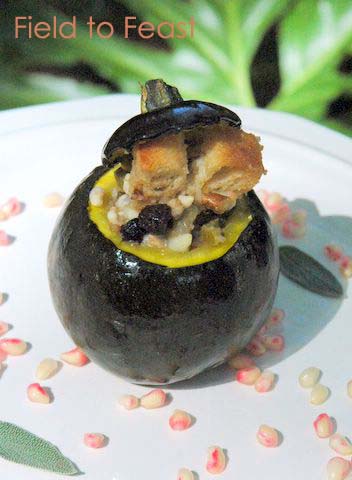
And so gem squash with pomegranate, pecan and parsley stuffing was born. My husband gave me a “you are crazy – you know that, right?” look as I hung my “ornaments” on a string of pine-branch garland for inspiration, and I began cooking.

Gem squash are a common vegetable in southern Africa, and, according to Jeanne at Cook Sister!, they are another one of those food items that South Africans in the Diaspora long for. I can see why. These dark-green globes are downright adorable, easily beating out butternut’s half-an-hourglass curve on the squash-attractiveness scale. They also cook quickly, sport a lively yellow-color flesh, and are ideal for filling with all manner of savory treats, from curry to rice pilaf to couscous to bread stuffing. You can also add chunks to lentil dhal.

A quick Web search revealed that pomegranate stuffing wasn’t an idea unique to me, although I would hazard a guess that these other cooks weren’t motivated to use pomegranate because it resembles a Christmas ornament. I drew bits from these recipes and combined them with parts of Nic’s vegetarian stuffing recipe to create my own pomegranate stuffing.

Mark may have smirked at my “ornaments,” but he had nothing but compliments for the final stuffed gem squash dish. The pomegranate seeds added a crunchy texture and tart bite to the stuffing, while the flavors of baked squash, sage, and pecan evoked memories of Christmases past. His verdict? “Tastes like the holidays.”

Gem Squash with Pomegranate, Pecan and Parsley Stuffing
Serves 6 as a side dish

6 gem squash
2 teaspoons, plus 1 tablespoon olive oil
¼ teaspoon salt
1 small onion, diced
¼ cup celery, diced
¼ cup fresh parsley, minced
2 teaspoons fresh sage, minced
Salt and freshly ground black pepper, to taste
1 cup pomegranate seeds, plus extra for garnishing
¼ cup raisins
¼ pecans, chopped
3½ cups bread, cubed
½ cup vegetable broth

Preheat your oven to 350°F/175°C. Slice the top off each squash and scoop out all of the seeds. Use 2 teaspoons of the olive oil to coat the inside cavities of the squash; sprinkle the salt inside, too. Cover the squash bottom with its lid and place on a lightly-greased baking sheet.

Heat the remaining 1 tablespoon of olive oil in a fry pan over medium heat. Add the onion, celery, parsley, sage, salt and pepper, and stir. Sauté for 5 minutes, then remove the pan from the heat.

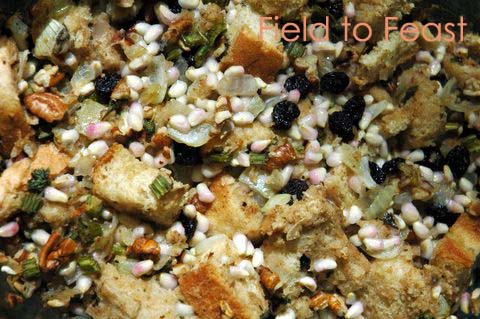
In a large bowl combine the onion mixture, pomegranate seeds, raisins, pecans and bread cubes. Pour in the vegetable broth and stir carefully until all the bread cubes are moistened (adding more broth, if necessary). Place the stuffing in a lightly-greased, medium-size baking dish and cover with aluminum foil.

Put both the baking sheet with the squash and the baking dish with the stuffing into the oven at the same time. Bake for 20 minutes. Take the aluminum foil off of the stuffing and check the squash to see if they need to be basted with more olive oil. Return both items to the oven and cook for another 20 minutes. The squash should be soft, but still holding its shape, and the bread in the stuffing should look a bit crunchy.

To serve, fill each squash with the bread stuffing. Any additional stuffing can be served alongside the squash. Use any extra pomegranate seeds as garnish.

This post is an entry in Holiday Cooking with Herbs, a special holiday edition of Weekend Herb Blogging hosted by the amazing Kalyn at Kalyn’s Kitchen. I’ve intended to participate in Kalyn’s landmark food blog event ever since I started Field to Feast, and I’m glad the holidays finally inspired me to take the plunge!

Sunday, December 10, 2006

Ful Medames, the Holiday Antidote

Eggnog, cheese balls, shrimp dip, trifle, fruit cake – there is no doubt about it, the closer we get to the holidays, the richer and heavier our food and drink becomes. Following a festive evening, what I really want to eat is an antidote to all that gluttony. Something nutritious, comforting and uncomplicated that resets my body’s balance and allows me to face another Christmas party buffet, plate in hand.

Ful medames is just such a meal. I’ve found three references to this rustic fava bean stew over the last few months, all of which highlight its role as a daily staple in Egypt (where some consider it a national dish) and Sudan.

First, I spotted an October 3 New York Times article entitled “A Hand on the Ladle, and a Eye Out for the Law,” which told the story of the popular – but unlicensed, and therefore illegal – street vendors who ply Cairo’s poorest neighborhoods selling ful from their carts for the equivalent of 20 cents. Then, in Emma’s War: a True Story, I read journalist Deborah Scroggins’ descriptions of her attempts, during a 1988 visit to Khartoum, Sudan, to meet with government officials in order to gain permission for a trip to a refugee camp. Her task was complicated by the fact that the officials arrived to work at 8, took a break at 10 to eat a breakfast of ful, left for lunch and a nap at 1, and rarely returned to the office. Finally, just this weekend, I was devouring Apricots on the Nile: A Memoir with Recipes when I came across Colette Rossant’s reminiscences on ful medames, a dish she discovered as a child during World War II when she lived in Cairo with her Egyptian grandparents. Their cook made ful medames everyday for the household staff, while concocting much more glamorous dishes for Colette and her family. Nevertheless, young Colette loved ful medames. Per her grandmother’s instructions, she was supposed to eat a baguette with butter and jam as an after-school snack, but Colette and the cook conspired to ensure she could eat ful medames instead.

Although ful medames is more typically eaten for breakfast or as a snack, I like to have a bowl for lunch or as a light supper. It is an especially appealing meal when I crave something wholesome and nourishing after a lazy holiday afternoon spent grazing over cheese platters and cramming my plate with every dessert on offer. Meet ful medames, my un-holiday holiday dish.

Ful Medames (Fava Bean Stew)
Serves 4 as a light main course

2 tablespoons olive oil
1 onion, chopped
2 garlic cloves, crushed
1 teaspoon ground coriander
1 teaspoon ground cumin
½ teaspoon cayenne pepper
2 bay leaves
1 large tomato, peeled and chopped
4 cups vegetable stock
2 15-ounce cans fava beans, rinsed and drained
2 tablespoons lemon juice
2 tablespoons tahini
¼ cup fresh parsley, chopped
1 teaspoon salt
Salt and freshly ground pepper, to taste
4 hard-boiled eggs, chopped
3 scallions, sliced
Cilantro leaves, for garnish

Heat the olive oil in a large saucepan over medium heat, and sauté the onions and garlic until the onions are translucent. Add the ground coriander, ground cumin, cayenne pepper and bay leaves, and cook for 3 minutes, stirring frequently. Stir in the chopped tomato and vegetable stock, and bring to a boil. Reduce the heat and simmer for 15 minutes.

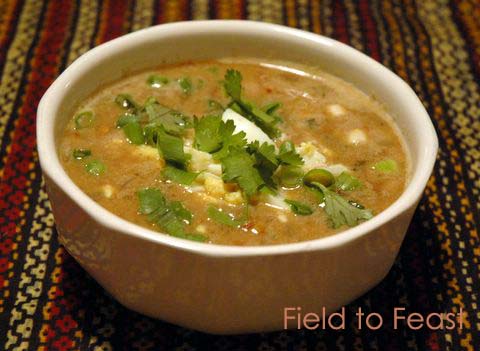
Meanwhile, mash together the fava beans, lemon juice, tahini, parsley and salt in a separate bowl. Stir this mixture into the soup, making sure to break up any clumps of the mash. Simmer for another 8 minutes. Add salt and pepper to taste, and remove the bay leaves. Ladle into serving bowls, scooping up from the bottom of the pot. Top with the eggs, scallions and cilantro leaves. Serve with warmed pita bread. If you want to eat ful as the Egyptians and Sudanese do, try using the pita bread to scoop up the stew, sans spoon.

This post is an entry in the Super Souper Challenge, a food blog event hosted by running with tweezers.

Tags: , , , , , , , , , , ,

Saturday, November 18, 2006

Time for Avocado and Peanut Salad, Courtesy of Côte d'Ivoire

Time is a funny thing. On some occasions it evaporates, like when you are absorbed in a good book on a chilly day, a cup of tea by your side. Other days it’s cordoned off into neat and tidy chunks: meeting from 8-10; article due by noon; dentist appointment at 12; lunch with friends between 1 and 2. Once in awhile, time is thick, like quicksand, determined to prevent all forward movement, as when waiting in a never-ending queue, or during the last workday minutes of a Friday afternoon. Some of the longest hours of my life were spent on a street corner in Brisbane where I had the dastardly job of handing out advertisements for a chain of parking lots, all in clear view of the slowest moving clock I have ever seen, perched on top of the Suncorp tower.

Time can be heralded with the jingle of an on-the-hour news break, a school bell or the call from a mosque. It can also stretch before you, long and languid, like an endless white-sand beach, with nothing to mark its passing but the movement of the sun. And every so often you want to push the fast forward button on time, or, like TiVo, save the bit that you have now, but would find much more enjoyable later.

I realize, however, that despite these varied experiences of time and our casual use of expressions such as “time flies” or “time stood still,” it is not time itself that keeps changing its character, but we who are changing and living time in different ways. I was thinking these thoughts about time today, as I counted down the hours before Mark and I leave on our trip to Zanzibar. I always get a bit anxious before traveling, especially when this travel involves Zimbabwe’s less-than-reliable national air carrier. But, I’ve decided, my anxiety also stems from my conflicting feelings towards time. On one hand I want time to speed up – to be on that plane and in the air. On the other hand, I want time to slow down, so that I have the chance to pack leisurely, to tie up loose ends, and, of course, to write a post before my weeklong blog hiatus.

The puzzle is, what can I cook that is quick and easy, and doesn’t create leftovers I won’t have the opportunity to eat? The answer is this refreshing avocado and peanut salad from Côte d'Ivoire. Its appeal stems from the ingredients’ contrasting flavors (sweet, spicy and sour) and textures (creamy and crunchy). Now, I have no aversion to simply slicing open an avocado and eating it straight from the peel. But, with a just a few more minutes on my hands, the extra effort to make this salad is well worth it. One day – maybe as an antidote to the tedium of packing or the anxiety of time – you, too, can give it a try.

Avocado Salad with Crunchy Peanut Topping
Adapted from Food by Country
Serves 4-6

3 ripe avocados
2 tablespoons fresh lemon juice
3 tablespoons finely chopped peanuts (a.k.a. groundnuts)
¾ teaspoon paprika
¾ teaspoon ground cinnamon
Cayenne pepper, to taste
Salt, to taste

Peel the avocados and cut the flesh into cubes. Place the cubes in a small bowl, and toss with the lemon juice. In a separate bowl, mix together the peanuts, paprika, ground cinnamon, cayenne paper and salt. Spoon the avocado onto your serving plate, and top with a sprinkling of the peanuts. Serve immediately.

This post is an entry in Slashfood's Going Nuts in November food blog event.

Wednesday, November 08, 2006

A Tag, a Picnic, and a New Warm Salad

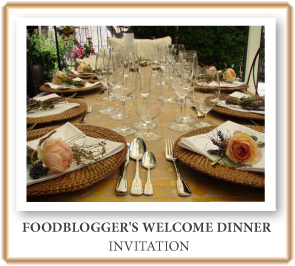
Maintaining a food blog isn’t all fun and games you know. Sometimes you get witheringly challenging assignments from your peers, like the one I recently received from lobstersquad. Stop by and admire Ximena’s endearingly carefree writing and illustrations, and then note that she has “tagged” me to respond to the following question: Which menu would you serve food-blogging friends for a welcome dinner upon their first visit to your home?” This meme was started by Angelika of The Flying Apple, and has solicited numerous mouth-watering replies.

Well, my food blog friends, you’ve come a long, long way to arrive here at my home in Zimbabwe, and you’ll probably want to get out and see the country you’ve landed in. So, instead of being stuck inside my house, I’ll prepare a picnic lunch and we’ll all head off to nearby Ngomakurira, an imposing rock formation that features amazing ancient rock art. We’ll stop for our picnic beside a steep rock face that, because of its slightly convex shape, offers some welcome shade at its base. If you come now – quick! – before the rainy season starts, the sky will be a penetrating blue and the landscape’s colors – the light tan of the rock, the rust and lime lichen, the dark green scrub – will be almost flattened by the intense sunlight. You’ll have a clear view over the surrounding countryside from the rock’s peak, and will be able to spot a few villages and some people dressed in white who have gathered for church under a tree.

However, what you really want to know is – what will you be eating? Well, the assignment asks for “signature” dishes, and one of my entertaining signatures is dips. I love dips. In fact, this may sound like one tall tale, but I once shared my recipe for feta-walnut dip (a recipe adapted from Molly Katzen’s Moosewood Cookbook) with a friend in North Carolina, who happened to be friends with the then-boyfriend of Rachel Ray, who loved the dip, made her own modifications, and prepared it on Oprah earlier this year. True story.

In addition to my feta-walnut dip, you’ll be munching on spicy hummus, beetroot pesto and olive tapenade, all waiting to be scooped up by toasted pita crisps. Other nibbles will include baked ricotta cheese and boursin-stuffed peppadews. You’ll wash these appetizers down with cool sips of rooibos sangria, straight from my trusty cooler.

Next up will be a creamy avocado gazpacho, followed by a warm green salad with spicy peanut-butter dressing and sadza-sage croutons. This is a special recipe I invested just for you. I know you’ll want to try some Zimbabwean food during your visit, but, to be honest, the local cuisine doesn’t really lend itself to picnics, multi-course meals or chardonnay-laced toasts. My salad adds some new flavors to a traditional Zimbabwean relish made with greens, tomato, onion and peanut butter and transforms its traditional sadza accompaniment into tasty croutons. You’ll find the recipe below (with an option to use polenta instead of sadza for the croutons) just in case you can’t make my picnic. The main course – a light one, since we have a bit of a hike back to the car – will be Savory Broccoli and Cheddar Strudel, garnished with a dollop of chakalaka.

The wine selection in Zimbabwe is quite limited and, to make matters worse, I am totally stupid when it comes to wine. So, I will bribe a fellow food blogger with the promise of a Zimbabwean stone sculpture gift (like this one) to bring several bottles of an appropriate white wine to accompany the meal.

Finally, I have bad – and long-standing – habit of trying out new recipes on unsuspecting guests. It is not surprising, therefore, that I have found the perfect untried and untested dessert for you all. I recently discovered a recipe in Food and Home Entertaining (September 2006) for a grilled fruit platter that looks simply stunning – grilled chunks of pineapple, cantaloupe, bananas, strawberries and guava in a mango reduction sauce topped with toasted fresh coconut. This dish is supposed to be served at room temperature, which makes it a perfect take-along picnic treat. Just in case this plan backfires, however, I’ll have some sweet baked nuts on hand.

Sleepy, full, and sun-kissed, we will lethargically make our way back to my house, drink some tea or coffee on the veranda, watch the sun set, and reminisce about that lovely warm salad.
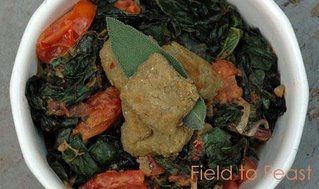
Warm Green Salad with Spicy Peanut-Butter Dressing and Sadza-Sage Croutons
Serves 2 as a side salad
Adapted from a traditional Zimbabwean relish and a crouton recipe in Food and Home Entertaining, July 2006

Croutons
1 cup sadza
1 tablespoon butter
2 sage leaves, minced
1 teaspoon olive oil

Salad
1 tablespoon olive oil
1 dried red chili pepper, crushed
½ an onion, finely sliced
1 large bunch of greens, chopped (I used a medium bunch of Swiss chard, supplemented by a handful of beet greens)
1 medium tomato, chopped
1 small clove garlic, minced
Salt, to taste
2 tablespoons natural peanut butter
1 teaspoon hot water
Juice of ½ a lemon

To prepare the sadza croutons, first you need some sadza, which you could create by making this recipe. For those of you far from sadza, you can use polenta. Stir in the butter and sage during the last five minutes of cooking either the sadza or the polenta. Let the sadza or polenta cool slightly, then use the back of a wooden spoon to flatten the sadza/polenta into a square, 3/4-inch tall pancake. Cut the sadza/polenta into cubes and grill using a hot griddle pan and the olive oil. You’ll end up with a few more croutons than you’ll need for this salad, but you can store them in an airtight container for future salad-topping use over the next few days.

Now, begin the salad. Pour the oil into a large fry pan over medium/medium-high heat. When the oil is hot, add the dried red chili pepper and stir. Quickly add the onion and sauté, stirring frequently, until the onion has turned translucent. Add the greens, a handful at a time if necessary, stirring frequently. When the greens have begun to wilt, add the tomato, garlic and salt, and stir. Sauté for just a few more minutes. Meanwhile, mix together the peanut butter and hot water in a small bowl or teacup until it is smooth. Pour the thinned peanut butter over the sautéing mixture and stir. Cook for one minute more, and then take the warm salad off of the stove. Adjust the salt as needed and squeeze the lemon over the salad. Toss, and serve topped with sadza-sage croutons.

Saturday, October 14, 2006

One Pumpkin, Many Fritters

Pumpkins and beets. Before I lived in Australia, I thought that pumpkins were solely used for carving jack-o’-lanterns and making pumpkin pie, and that beets came out of a can for a speedy, but not-so-eagerly-anticipated side dish. Oh, how Australia changed these perceptions. Pumpkin became a welcome member of a roasted vegetable foccacia sandwich, a sweet substitute for spinach in a feta-filled filo triangle, and, when cubed and roasted, a colorful complement to couscous. Meanwhile, beets became beetroot, and a lunchtime staple sliced and served on a veggie burger. Who would have thunk?

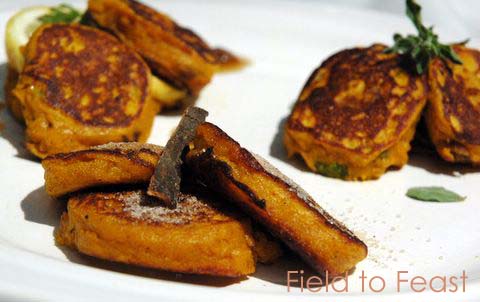
I am happy to report that pumpkin also has a life beyond carving and pie here in southern Africa. For example, one traditional South African dish is pumpkin fritters. Spiced with cinnamon and served with cinnamon sugar, these fritters taste like mini-pumpkin pies without the crust and can be served as either a dessert or a side dish.

Since Australia greatly expanded my pumpkin repertoire, I thought I would try matching the pumpkin with some other ingredients – chutney, chili, lemon juice and cilantro for a sweet and spicy Asian-style fritter and fresh herbs and roasted garlic for a savory version. I have to say, the Asian-style fritters were my favorite. Luckily, my husband liked the sweet ones best (surprise, surprise), so we each gobbled up our respective portions. And speaking of gobbling, with Thanksgiving right around the corner in the U.S., these fritters – in any variation you choose – would make a unique alternative to the traditional sweet potatoes with marshmallows. You will never look at pumpkins the same way again.

Pumpkin Fritters
A
dapted from Recipe Zaar
Makes about 24 little fritters

Necessities:
2 cups cooked pumpkin
½ cup all-purpose flour
½ teaspoon salt
2 teaspoons baking powder
1 tablespoon plus one teaspoon granulated sugar
2 large eggs
Extra flour, if needed
Vegetable oil, for frying

Option 1 – Sweet (traditional version):
1 teaspoon ground cinnamon
1 teaspoon granulated sugar
Cinnamon sugar, for dusting

Option 2 – Sweet and spicy:
1 teaspoon ground cinnamon
2 tablespoons minced cilantro (a.k.a. fresh coriander)
Juice of one lemon
1 tablespoon mango chutney
1 green chili, minced

Option 3 – Savory:
2 teaspoons roasted garlic paste
Handful chopped fresh herbs of your choosing (I used basil, oregano and marjoram)
Pinch of salt

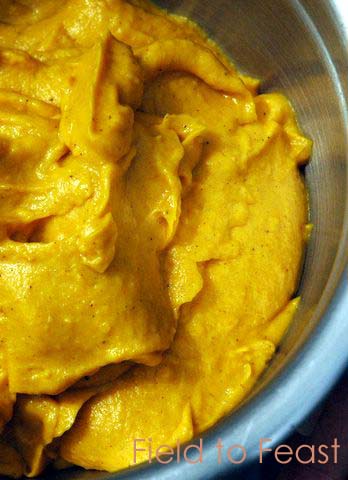
Using a food processor, blend together the pumpkin, flour, salt, baking powder and sugar. Add the eggs and blend until the mixture forms a thick batter that is firm enough to hold its shape when scooped up with a spoon. If the batter is too soft, add some additional flour.

At this point, you can follow one of the options above, or divide your batter into twos or threes and make several different types of fritters. Just mix in the ingredients listed under the option of your choice, reducing the quantities as appropriate if you are dividing up your batter.

Heat the oil in a fry pan over medium heat. Then, drop heaped tablespoons of the batter into the pan, leaving a bit of space between each fritter. Fry the fritters in batches until they are firm and golden on their undersides. Carefully flip over and fry on other side. The fritters are done if you can press them and they spring back, and no batter squishes out from the sides.

Serve fresh from the fry pan, or as Donna via JenJen suggests, cover the fritters that are ready with a clean tea towel as you prepare the subsequent batches. Or, if are cooking other items to accompany the fritters, keep the fritters warm in a 100°C (210°F) oven. If you made option 1, dust your fritters with some cinnamon-sugar. Garnish the other options as you please!

I roasted the pumpkin I used in this recipe, but you could also boil it. If you do boil the pumpkin, ensure it is very dry before you begin making the batter. Note, too, that the possibilities of how to modify your pumpkin fritters are pretty endless. You could add some currants to the sweet fritter, for example, or maybe make a savory one with zucchini (shredded, salted and well-drained) and crumbled feta. Depending on your additions, you may need to blend in extra flour to thicken the batter, or milk to thin it.

This post is an entry in Hay Hay it’s Donna Day #6- F is for Fritter, a food blog event excellently hosted by JenJen of Milk and Cookies.

Wednesday, August 30, 2006

Five Things

Melissa of The Traveler’s Lunchbox has issued a daunting challenge to food bloggers, and Anna from Morsels & Musings has dared me to meet it. The challenge? To recommend five foods – and five foods only – that everyone should eat once before they die.

I quickly realized this task required much more than a simple bulleted list, for it wasn’t only food items vying for a spot on my top five, but the stories behind them. After all, much of a food’s value and significance comes from its personal meaning and societal context – the source of the ingredients or recipe, the location where you eat the food, how the food is eaten, and who you are eating it with. Sure, burritos are good, and everyone should eat one pre-Grim Reaper, but a guacamole burrito from Carrburritos in Carrboro, North Carolina, devoured after a year of living in Zimbabwe, where you can’t find black beans, Monterey Jack cheese or sour cream, is nothing short of divine. A Macoun apple plucked straight from the tree on a sparkling New England day, when the sound of biting into the apple is fall itself, crisp and bright, and you know you will eat four more in the car on the way home (after sampling some apple cider from the orchard shop), and that you will feel slightly ill, but, oh, oh will you be happy – that apple is nothing like the waxy mid-winter apple you toss into your basket at Stop & Shop.

What makes a particular food item memorable is different for every person. My “five things to eat before you die” will not make your list unless, after eating them, you, too, have a story to tell.

Milk from a cow. All you Louis Pasteur fans may not be with me on this one, but once you’ve had milk straight from the cow, you realize milk from a carton is a totally different species. It’s like one version should be called cow milk, and one should be called store milk. Where does store milk come from? The store. Where does cow milk come from? The cow. And you know this because cow milk tastes, well, slightly cow-y, and it is warm because, well, it has just been inside the cow, and it is creamy because it has all the fat the cows put there naturally. Try some.

Custard apple with blue cheese. Do you ever wonder how certain food combinations came to be? Who was the first person who tried popcorn with butter? Peanut butter and jelly? Rice and beans? Muesli with yogurt? Well, I can tell you exactly how this food combination, soon to take the world by storm, was created. One Saturday morning in Brisbane, Australia, Mark and I had just purchased Danish blue cheese at Delta Continental and custard apples at the Green Flea Market and we wanted to eat them both immediately. We put the pair together on a plate, and the flavor combination made our taste buds dance for joy. The dry, sharpness of the crumbly cheese, the intense sweetness of the syrupy-soft custard apple – it was something to behold. And behold again. And again.

An ice cream cone at Maple View Farms in Chapel Hill, North Carolina. Lick your cone while lazily swaying back and forth on your wooden rocking chair, gazing over the field where the cows who contributed to your happiness graze and chew their cud. To make the homemade ice cream taste even better, go to Maple View on the day before your wedding, and have your husband-to-be read from a list he has written of all the reasons he wants to spend the rest of his life with you, making the next day’s courthouse ceremony more special than any limousine and white dress affair you could ever imagine. Pick any ice cream flavor you want; trust me, it won’t matter.

Jiao.zi. I am not much of a window shopper when it comes to clothes, but if it is roadside food vying to catch my eye – watch out. If you feel similarly, then you, too, should spend a few months living in China. I remember with nostalgia walking down the street, snacking as I went. Peer into the coal-burning metal barrel of the sweet potato vendor and select your tin-foiled tuber. Bargain for that perfectly ripe Asian pear. Ignore the huge quantity of oil the stir-fry man pours into his sidewalk wok, and pick out your favorite ingredients. To top it off, look for the towering stack of bamboo steamers and buy some vegetable jiao.zi. Jizo.zi are like small gift parcels: a thin skin of dough artfully twisted around a dollop of sautéed veggies. I forget almost every Chinese word I ever learned, but there is one thing I can still say: hěn hǎo chī.

Your grandmother’s cookies, made by you. If you somehow escaped growing up without eating your grandmother’s cookies – or if you ate her cookies by the fistful, but never asked for the recipe – go digging through that dusty recipe box she left you and get baking, tout suite. That way, when your grandchildren start cooking on their own, you can supply them with their great-great grandmother’s cookie recipe. And that will be a very special thing. (The cookies won’t taste nearly as good as when your grandmother made them, but luckily your grandkids won’t know that.) Already stock your grandmother’s cookies in your cookie jar? Start asking friends for their grandmothers’ recipes. Soon, you will have a collection of the best cookie recipes ever. Here’s my contribution, just to get you started:

Nana’s Molasses Cookies

¾ cup vegetable shortening
1 cup sugar
¼ cup molasses
1 egg
2 teaspoons baking soda
2 cups flour
½ teaspoon ground cloves
½ teaspoon ground ginger
1 teaspoon cinnamon
½ teaspoon salt

Beat together the shortening, sugar, molasses and egg in a medium bowl. In a separate bowl, sift together all of the dry ingredients. Combine the dry and wet ingredients and mix well. Mould the batter into 1-inch diameter balls and roll them in the extra sugar. Place the balls on a greased cookie sheet, 2 inches apart. Bake at 375 degrees F for 8-10 minutes.

Check out Anna’s top five here (and take a gander at her innovative “recipe carousel” posts while you are at it). Have a list of your own? Share it in a comment! I am "tagging" two blogs to post their lists, if they haven't already: Julie from A Mingling of Tastes and A Mad Tea Party.

Friday, August 11, 2006

North African Salad, Yankee Sensibility

There are three magazines I remember reading during my childhood: Ranger Rick, Yankee and Consumer Reports. The former was the one I was supposed to be reading, of course, but adults can’t keep anything out of the hands of a bookworm.

My favorite part of Yankee was its tidbits of home-spun, practical advice, typically aimed at pinching pennies or improving the quality of one’s sewing, knitting, bee-keeping or wood-working. I clearly remember one issue (circa 1988, is my guess) that described how to slice open a nearly-empty toothpaste tube in order to retrieve the last bit of paste. Otherwise, you were destined to forever forfeit that half-gram, no matter how assiduous your nightly tube rolling-and-squeezing regimen.

Consumer Reports, meanwhile, appealed to me for its scientific rigor and straightforward, confidence inspiring rating system. In fact, I felt that before my family purchased any item, we should first check Consumer Reports to guarantee we were making the best possible decision. (Okay, so I was a strange child. And I won’t even talk about my obsession with the L.L. Bean catalog).

I tell you all this because it explains why, as an adult who loves to cook, I am obsessed with Cook’s Illustrated. Cook’s Illustrated is sensible, frank and reliable, and exudes a certain Puritan minimalism that lets you know it is published in New England without even glancing at the masthead. Only one page per issue features photographs; all other images are hand-drawn, pen-and-ink illustrations. Two whole pages are dedicated to handy (and sometimes endearingly bizarre) tips submitted by readers, such as how to use a blow-drier to dry off berries (thanks, Phyllis Kirigin of Croton-on-Hudson, N.Y.) and how to employ a serrated knife to pluck test pasta strands from the pot (thanks, Isabelle Wolters of Scituate, Massachusetts).

In at least one article, Cook’s staff members present their results and recommendations from a meticulously-designed test of a certain prepared ingredient or piece of kitchenware. For example, it is because of Cook’s that I know Italian-made canned tomatoes have declined in quality since 1989 – the year when manufacturers began evading a new trade tariff by packing their tomatoes in puree rather than juice – and that a specialty tomato knife is a darn near useless piece of kitchen equipment.

Most importantly, when I am looking for a recipe that will not fail, I turn to Cook’s. So, as I mulled what new salad to attempt for Summer Salad Days (Winter Salad Days, for those of us in the Southern Hemisphere!), I logged onto the Cook’s Web site. Although the online version is not as ascetically aesthetically pleasing as the print version, it does have two distinct advantages – one, I can get my Cook’s fix anywhere in the world, and, two, the online recipes conveniently link to all related Cook’s tips. So, for example, I could link from the recipe below and discover exactly how to transform the salted nuts I had on hand into the unsalted nuts required for this recipe. (Blanch them for a minute in boiling water, then roast in a 350-degree oven until the liquid has evaporated – in case you were wondering.)

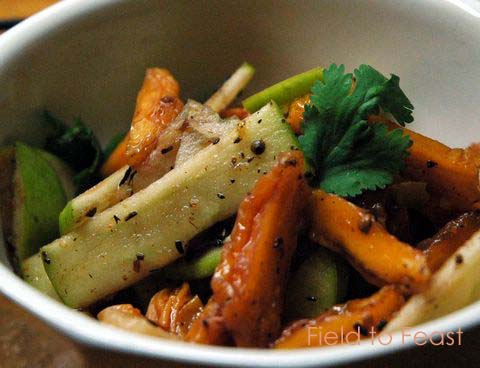
It was in Cook’s online database that I found this unique, refreshing salad recipe.

North African-style Dried Nectarine and Apple Salad
Adapted from Cook’s Illustrated
Makes about 4 cups

6 ounces (2 cups) dried nectarines, cut into 1/4-inch strips
¼ cup dry red wine
¼ cup warm water
1½ teaspoons grated fresh ginger
¼ teaspoon cayenne pepper
2 tablespoons lemon juice
2 tablespoons orange juice
2 tablespoons brown sugar
1½ teaspoons coriander seeds, toasted and ground
1½ teaspoons cumin seeds, toasted and ground
2 tart apples, sliced thin
¼ cup chopped, unsalted macadamia nuts, lightly toasted
2 tablespoons fresh cilantro leaves
Salt and ground black pepper

In medium bowl, re-hydrate peaches in wine and water for at least 15 minutes.

Meanwhile, mix the grated ginger, cayenne pepper, lemon juice, orange juice, brown sugar, coriander seeds and cumin seeds together in the bottom of a large bowl. Toss in the sliced apples, macadamia nuts and cilantro.

Add the peaches and their liquid, and toss again. Taste, and add salt and pepper to your liking (you won’t need much). Serve.

The most appealing thing about this dish is its mixture of textures and colors, and the heady taste and smell of those toasted seeds and grated ginger. If you would like a slightly more demure salad, try reducing the quantities of ginger, coriander seeds and cumin seeds to one teaspoon each.

Summer Salad Days is a food blog event thoughtfully hosted by My Life as a Reluctant Housewife.